Habit-Creation Cheat Sheet
By Tergar Meditation Community • 2 min read

We often assume that if we fail to stick to a new routine — whether it’s meditation, exercise, or a creative project — it’s because we lack willpower. We blame ourselves for not being disciplined enough.
But according to Mingyur Rinpoche, falling off the wagon isn’t a personal moral failure; it is simply the force of our old habits. “Liking” the idea of meditation is good, but it isn’t enough. Inspiration is fleeting, but habit determines consistency.
We don’t need more willpower; we need a better strategy to rewire our neural pathways.
Here is a “cheat sheet” based on Mingyur Rinpoche’s teachings to help you build a practice that sticks.
How to Build a New Meditation Habit
1. Take it Step by Step
The most common mistake is starting with a goal that is too big (an hour a day) or looking too far ahead (doing this “forever”).
The Timeline of Change
2. Make It Impossible to Forget
You don’t need a monastery to meditate. Rinpoche suggests meditating “short times, many times” — brief moments of awareness (3 to 10 seconds) repeated frequently throughout the day. The more often you remember, the stronger the habit becomes.
External Reminders
Daily Life Cues — turn common activities into triggers for a 3-second check-in:
3. Train the Monkey Mind
Your mind will wander. Rinpoche calls our overactive mind the “monkey mind.” The goal isn’t to silence the monkey, but to give it a part-time job, such as listening to sound or feeling the breath.
4. Troubleshooting: When it Feels Hard
Resistance is just old habit energy leaving the body. It is not a sign that something is wrong.
The Core Formula
If you boil it all down, the formula for a new meditation habit looks like this:
Small Steps × Daily Repetition × Gentle Persistence = New Habit
December 2025
Learn meditation under the skillful guidance of world-renowned teacher Yongey Mingyur Rinpoche at your own pace.

In this reflection, Mingyur Rinpoche invites us to reconnect with Mother Earth—not only as our source of life, but also as a powerful teacher of impermanence, resilience, and interdependence. Through his own story of witnessing glacial retreat in the Himalayas, he offers a message of hope: even small efforts can create lasting impact.

“When you’re grounded amid others’ suffering, you can help them in a different way. It’s better for them—and for yourself. You’re not afraid of coming up against a person’s suffering, but you don’t merge and identify with it, so you’re free.” – Micael Inês
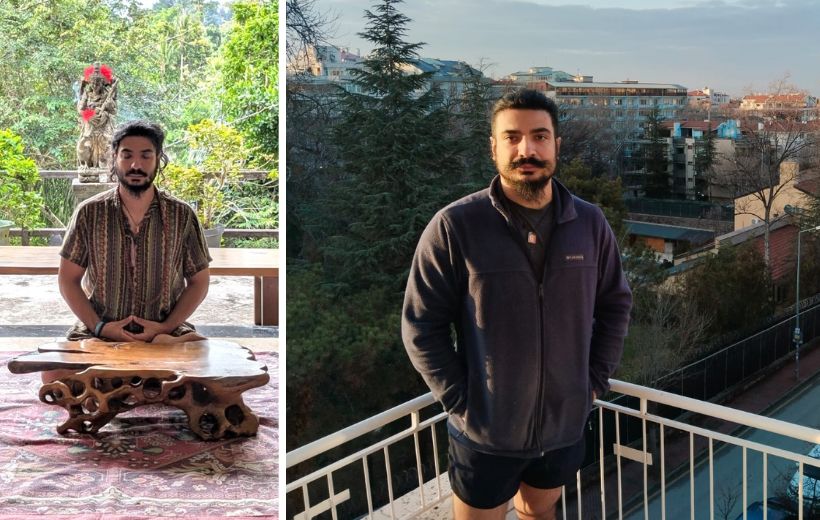
A young Turkish seeker follows his own relentless questioning into the depths of the mind, and now works to bring forth meditation in his country.
If you enjoyed reading our articles, please join our mailing list and we’ll send you our news and latest pieces.




2026© Tergar International. The Tergar logo is a registered service mark of Tergar international.