Meditation, Flow, and Making Music
By Kell Julliard • 2 min read
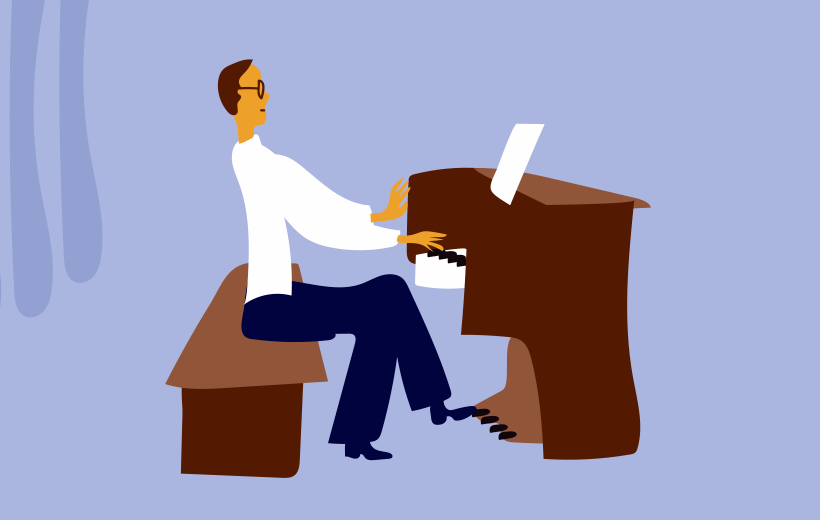
LIKE A WALK IN THE WOODS or through a garden, listening to music is one of the few experiences that asks almost nothing of us and gives so much in return. We don’t have to solve it or explain it; we simply let sound move through us, and somehow it enhances our inner life.
A song can steady us when we’re frayed, open a memory we didn’t know we were carrying, or make time feel briefly generous instead of rushed. Listening trains attention and empathy at the same time — we practice staying with something as it unfolds, sensing emotion without needing to fix it.
In a noisy, distracted world, listening to music becomes a small act of trust: trust that beauty is still available, that feeling has a place, and that meaning can arrive without words.
Making music is different in kind; it is an act of courage and connection, whether it happens on a concert stage or in a living room. To make music is to step into relationship — with breath, body, rhythm, and with other people — and to accept the risk of being heard. It sharpens listening from the inside out. You must pay attention not only to your own sound but to the larger whole you’re shaping together.
Making music teaches cooperation, patience, and humility, because no one voice carries the piece alone. At its best, it creates a fleeting community where effort and joy are shared, and where something larger than any individual briefly comes alive through instruments, human bodies, and voices.
Much of my life is devoted to both listening to and making music. As an avid lover of Western classical music, I’m frequently in concert halls listening to music from a wide variety of periods and styles. And of course, monkey mind is always there to take me off into the past and future — out of the lived experience. So for me, meditating while listening to music and staying open and receptive in the present moment has been a great gift. No need for analysis — just the knowing of what I’m hearing and feeling.
“In a noisy, distracted world, listening to music becomes a small act of trust: trust that beauty is still available, that feeling has a place, and that meaning can arrive without words.” — Kell Julliard
On the other hand, for me, making music is different from this and raises an interesting question about the relationship between meditation and what psychologists call “flow” — optimal engagement in a task where skill and challenge are well matched.
With flow, your attention is highly selective, and you’re absorbed in a goal-directed activity. In a way, it’s the opposite of meditation; it’s losing the recognition of awareness and getting completely lost in the activity itself. But it’s like meditation in that you’re completely present, but to the activity rather than awareness.
My goal in making music is to be in flow. I find that otherwise the union of feeling, thought, and musical expression just doesn’t happen.
But there’s good news — while musical flow may not be meditation, in my experience, meditation practice enhances both my ability to enter the flow state of making music and to be fully present while listening to music.
Thank you, Rinpoche, for teaching us how to bring the power of meditation into our lives!
February 2026

Kell Julliard is a senior guide for the Tergar Meditation Community in the northeastern United States and serves as a mentor for the Amherst, Elmira, New York City, and Washington, DC, communities. He plays flute and pipe organ and sings in a choir. You can hear him play a lively prelude and fugue attributed to J. S. Bach here. He lives with his husband on a dirt road in the forest in western Massachusetts.
Learn meditation under the skillful guidance of world-renowned teacher Yongey Mingyur Rinpoche at your own pace.


The new awareness yoga sequence can be performed sitting, standing, or even reclining. Instead of starting from the crown and working down the body, the flow is reversed, beginning from the ground and integrating movements upward and outward to the extremities.
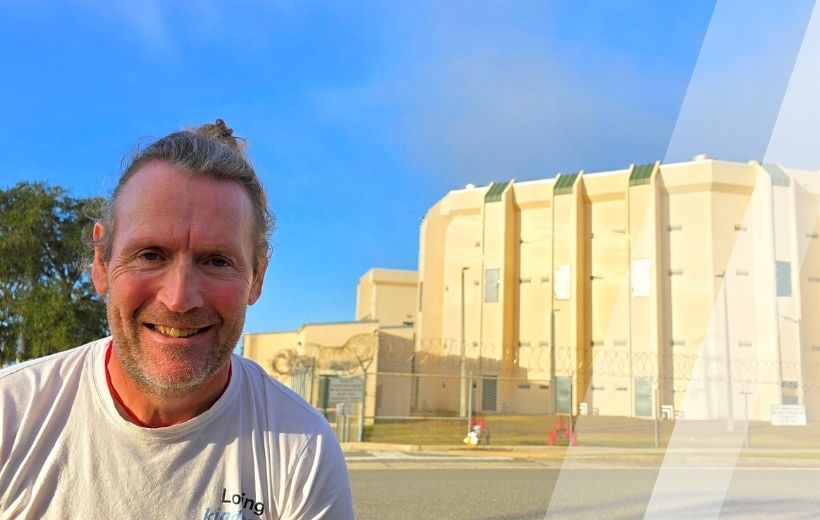
After overcoming self-doubt and joining the Meditation Teacher Program, Mark O’Donaghue is helping those behind prison walls by sharing the radical message that everyone — even those society has forgotten — is already whole, complete, and inherently good.
“Compassion has a support team and never stands alone. It is infused with awareness that allows our hearts to be open and steady. When we feel connected, kindness naturally arises. With wisdom, we can see what’s happening clearly; we don’t try to do the impossible but see what we can do to meet the situation.”…
If you enjoyed reading our articles, please join our mailing list and we’ll send you our news and latest pieces.




2026© Tergar International. The Tergar logo is a registered service mark of Tergar international.