A Homecoming I Didn’t Know I Was Seeking
By Chan Tse Chueen • 3 min read
I CANNOT PINPOINT THE MOMENT, but at some point, dharma became personal.
The distracted mind that reads several pages of a book but does not know what has been read is me. Descriptions in the teachings of a gnawing dissatisfaction that seeps into life, no matter how well things are going; of being homesick without knowing for what; of a compulsion to chase after pleasure and avoid pain—I recognize myself in all of them.
I remember laughing when I read Chögyam Trungpa Rinpoche’s pointed observation about the “drunken ape who has forgotten bananas and its home in the jungle a long time ago,” only to realize I was the ape he was talking about.
The discovery was not as deflating as one might expect. Knowing my own predicament brought a sense of relief, a feeling that I could finally ease into myself. It was, in any case, comforting to know I was lost. I may be an ape, but one whose nature is pure and free and always has been. If the ape-ness is fluid and conditional, it’s hard to be upset about something that ultimately is so fleeting.
From Caution to Engagement
My interest in a spiritual path began years before I found my way to Tergar. I read some books, attended some introductory classes on Buddhist thought, and told people I was “philosophically Buddhist.” Subconsciously, I had associated Buddhist practice with the form rather than the substance. If being a practicing Buddhist meant engaging in incomprehensible prayers and rituals, I was more than content to be their philosophical cousin.
I even tried to meditate, but did not connect with those early attempts.
Then I read Mingyur Rinpoche’s book The Joy of Living. Among the many commendable features of the book, one of the most memorable for me is this line on the first page that I come back to again and again: “The essence of Buddhist practice is not so much an effort at changing your thoughts or your behavior so that you can become a better person, but in realizing that no matter what you might think about the circumstances that define your life, you’re already good, whole, and complete.”
Rinpoche’s dazzling introduction of our innate qualities was the lamp that lit the way. It led me to Tergar Hong Kong, where I attended the Joy of Living program, with its accessible and clear meditation instructions, and began to meditate.
“The practice is a constant reminder to meet my experiences as they are, without false pretences.” — Chan Tse Chueen
Right from the start, I took part in the group practices, made friends, and became an active volunteer — bright-eyed and bushy-tailed, as they say. Dharma practice was the new thing. I was inspired and excited to embark on a journey to learn something about myself and the world. What I did not expect was that it would cut so close to the bone.
Meditation, the practice of habituating the mind to the view, made the view come alive by chipping away at the armor I did not know I had. The practice is a constant reminder to meet my experiences as they are, without false pretences.
Without deliberately changing myself, I began to change. Looking back, it is perhaps a bit silly that I had somehow expected myself to emerge from this journey intact. I had read the brochure, but somehow missed the fine print.
Ongoing Discoveries
Meeting the dharma has been an ongoing process of being reintroduced to myself and the world. Every day, bit by bit.
It is a strange experience: reading something I had read many times before, and then, one day, seeing the words for the first time—finally recognizing something that could not be more familiar.
One time after a practice session, when I excitedly told a friend about an insight that came to me about bodhichitta, she said, “What are you talking about? That’s literally what the aspiration prayer says.” Then we laughed about how the path is full of these discoveries that were never hidden from us, but had somehow eluded us until that moment.
Like how, chanting one day the four immeasurables of wishing all sentient beings happiness and the causes of happiness, it suddenly occurred to me that I am one of the sentient beings. Still lost and confused, but that’s okay. Without confusion, there would be no path.
January 2026
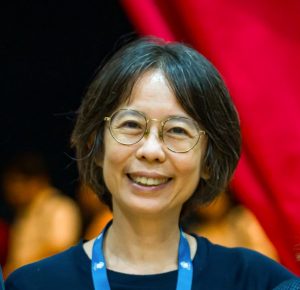
Chan Tse Chueen is a journalist currently based in Singapore. She attended her first Joy of Living program in 2012 and continues to do her best to practice anytime, anywhere. She also volunteers with Tergar’s meditation communities in support of their mission to make meditation available and accessible to all.
Learn meditation under the skillful guidance of world-renowned teacher Yongey Mingyur Rinpoche at your own pace.


Tergar Instructor Tim Olmsted explores how the Joy of Living trains us to loosen the tight grip of the mind and meet everyday life with natural ease and compassion.

Discover how one Armenian woman’s journey with meditation is quietly nurturing hope and community in her home country.

“If you practice meditation, you can use problems as support for your practice. You can liberate your self-created suffering by recognizing the nature of suffering.”
If you enjoyed reading our articles, please join our mailing list and we’ll send you our news and latest pieces.




2026© Tergar International. The Tergar logo is a registered service mark of Tergar international.