The Unexpected Gift of Failure
By Phil Castillo • 3 min read

The email arrived with a quiet finality. After months of exhausting, thrilling, and all-consuming work, my dream was over. My film score, which was set to premiere in a documentary at one of the world’s most famous film festivals, had been cut. The director, citing a time crunch, had fired me. In that moment, the entire path of success I had so carefully paved simply vanished.
CHASING SUCCESS
For many of us, growing up is a search for a place to fit in. Being a smaller, nerdier kid, I found a home in my imagination and in creating. It started with puppet shows and composing music, and later, building websites at the dawn of the internet. Beneath it all was a relentless drive to prove myself. If I wasn’t producing something society deemed “successful,” an existential dread would creep in, casting doubt on my sense of self-worth. Consequently, it manifested outwardly as social anxiety, a restless energy, and an inner, subtle feeling that the only thing that mattered was self-produced value.
Finding moments of worldly success became temporarily soothing. Through high school and college, my musical talents earned rewards, scholarships, and even national recognition. At university, I won coveted positions in ensembles, found good friends, and gained the respect of my professors. But it was never enough. The bravado of my early 20s had its sights set on Hollywood as a film composer.
As Mingyur Rinpoche teaches, our every action — from a simple blink of our eyes to a life-altering decision — is driven by a fundamental wish to find happiness and avoid discomfort. My tireless networking in the film industry was just that — although I couldn’t see it. I was chasing happiness, and I was convinced a film credit was where I would find it. When I landed the gig for the documentary premiering at South by Southwest, it felt like everything was finally falling into place.
Then came the crash.
FALLING APART
The collaboration with the director had been a mix of exciting musical successes and frustrating revisions. There was one pivotal, poignant scene I just couldn’t get right. I even agreed that my composition, while good, missed the emotional mark. But the finality of that email was a shock. The rejection was crushing, and it coincided with other pillars of my life crumbling — a long-term relationship ended, and a promising career path from my graduate program vanished.
My response was to run. I abruptly left graduate school, my friends, and everything I knew, moving 1,200 miles for a job designing and selling recording studios.
It was in the loneliness of that new environment that I was forced to stop. With nowhere left to run, I finally had the space to grieve. I began to hold my own pain with kindness, and in that raw vulnerability, I reconnected with the Tibetan Buddhist teachings I had discovered shortly after high school, slowly opening my heart.
“It was in the loneliness of that new environment that I was forced to stop.” — Phil Castillo
TRANSFORMING SUFFERING
In the Joy of Living Level 2, Mingyur Rinpoche offers a profound practice for transforming suffering. As I spent time slowly settling my mind, I walked through a version of the following simple steps to use the breath to connect my pain with the broader suffering of others:
This shift in perspective was profound. My personal catastrophe, which had felt so isolating, became a doorway to connecting with others. My pain was no longer just my pain; it was just one ripple amidst an ocean of universal human experience. By breathing in the suffering of others and breathing out whatever peace I could find, I discovered a purpose that worldly success could never offer.
FAILURE IS THE MOTHER OF SUCCESS
The film credit and the studio job faded into irrelevance. In their place, a quiet compassion began to grow. It was no longer about making it big; it was about opening up. Through practice and reflection, the anxiety and speediness that resulted from keeping tight and closed off slowly dissolved.
Rinpoche often says, “Failure is the mother of success.” The closing of that door, as a film composer, opened to a life I never imagined. It led to new friendships, a beautiful family, and a career helping incredible nonprofits support thousands of people around the world.
Perhaps when our hearts break, they don’t just shatter in futility. They break open. And in that newfound space, we can finally lift our gaze from our own story, connect with the world, and dedicate ourselves to helping all beings.
January 2026

Phil Castillo first discovered Buddhism in 2001 after seeking relief from years of anxiety. He began practicing and studying Chogyam Trungpa’s teachings in the Shambhala community for many years until he eventually connected with his main teachers, Yongey Mingyur Rinpoche and Dzogchen Ponlop Rinpoche. In 2022, Phil co-founded the Tergar Texas Practice Group and began supporting Ponlop Rinpoche in establishing the Dzogchen teachings in the Texas Hill Country. He is the president of Tergar USA.
Learn meditation under the skillful guidance of world-renowned teacher Yongey Mingyur Rinpoche at your own pace.


“…the source of the distress is coming from your own mind. You’re the one beating yourself over the head. The good news is, this means you also have the power to stop!”
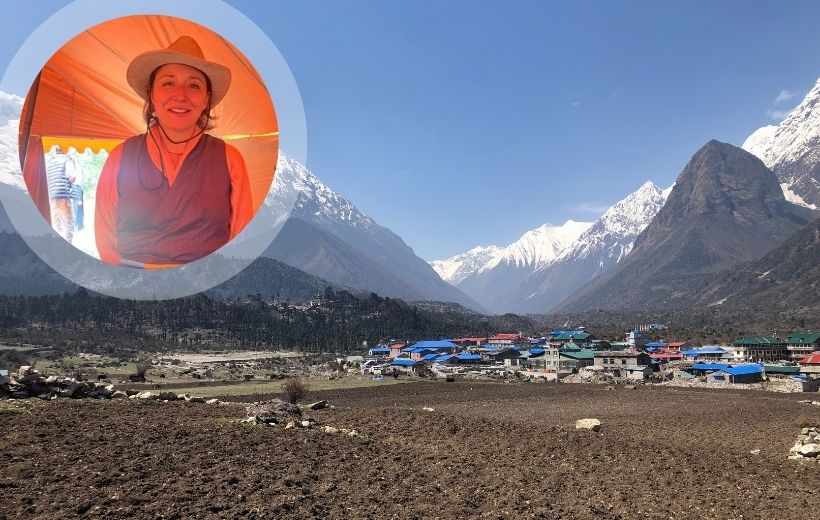
Discover how a French city-dweller transformed into an environmental pioneer, cultivating 20,000 trees at 3,550 meters in the Himalayas while empowering an isolated Nepali village.

What if listening to and making music are not just pleasures, but doorways into meditation, presence, and the mysterious state we call flow?
If you enjoyed reading our articles, please join our mailing list and we’ll send you our news and latest pieces.




2026© Tergar International. The Tergar logo is a registered service mark of Tergar international.